IC Realtime CEO Matt Sailor contributed expert commentary with the New York Post on how AI-driven consumer tools—especially home surveillance—are reshaping expectations of privacy.
AI is accelerating a tension consumers have been negotiating for years: the desire for more safety, more convenience, and less friction—alongside the expectation that private life stays private. As tools become more automated and “always on,” that tradeoff becomes harder to ignore.
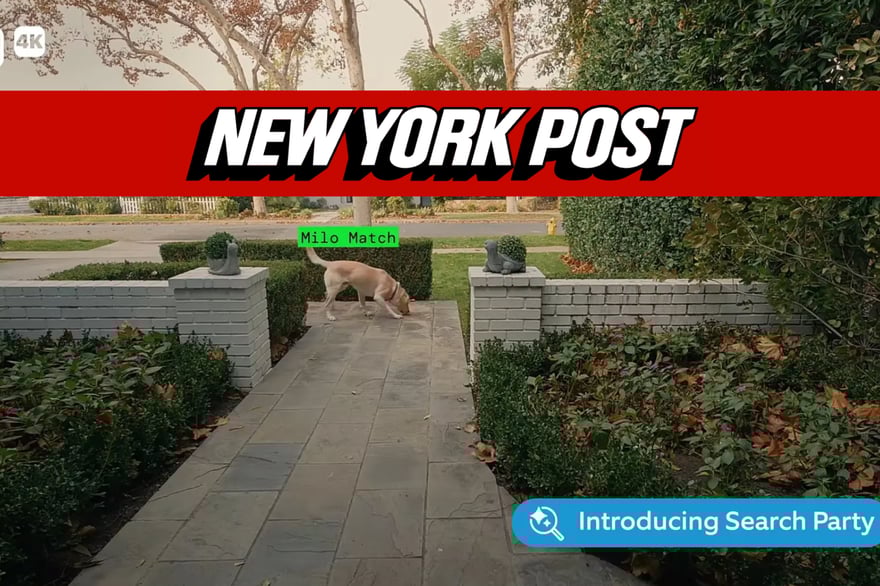
Home surveillance is one of the clearest examples. Doorbell cameras can do far more than deter package theft; they can capture routine neighborhood activity and create persistent records of daily life that extend well beyond the front porch.
Sailor’s commentary zeroed in on the risk of normalizing broad household data collection under feel-good narratives, warning: “That’s actually terrifying to me.”
A core point raised is the difference between using a device and controlling the data it generates. Subscription-driven ecosystems are built around storing information, and that stored information can include more than a homeowner expects when the purchase is framed as “peace of mind.”
The discussion also revisited a real-world example that unsettled many viewers: investigators retrieving Nest camera video in the Nancy Guthrie case despite reports that no subscription was active. The segment connected that outcome to the possibility of limited backend or residual data existing beyond what an end user can readily access in an app.
Legal and policy protections were portrayed as struggling to keep pace with the speed and scale of modern data collection. Even when penalties exist, the reporting notes that enforcement can feel misaligned with the incentives driving large technology platforms.
The broader implication is a shift in baseline expectations: consumers may need to assume that convenience features often come with ongoing data capture, and that opting out can be difficult without giving up functionality.
In Sailor’s framing, the practical question becomes less about whether these tools work, and more about whether consumers are knowingly accepting the true scope of what’s being collected—then stored—about their homes and habits.