
IC Realtime Chief Executive Officer Matt Sailor contributed expert commentary to media coverage examining how access control planning can better protect building occupants, assets, and operations.
IC Realtime Chief Executive Officer Matt Sailor contributed expert commentary on how access control planning can better protect building occupants, assets, and day-to-day operations.
Access control is increasingly treated as an operational discipline, not just a design decision. The most effective programs start by understanding how people actually arrive, move through, and exit a site—then aligning entry points, permissions, and procedures to match real behavior.
Strong improvements often begin with a practical security assessment that maps traffic patterns for occupants, visitors, and deliveries. That exercise tends to reveal unintended routes into protected areas, especially when entry points evolve over time or processes become informal.
Visitor flow is one of the most common pressure points. When guests can move from the front door into interior spaces without clear checkpoints, organizations are more likely to experience gaps in accountability and delays in response when something goes wrong.
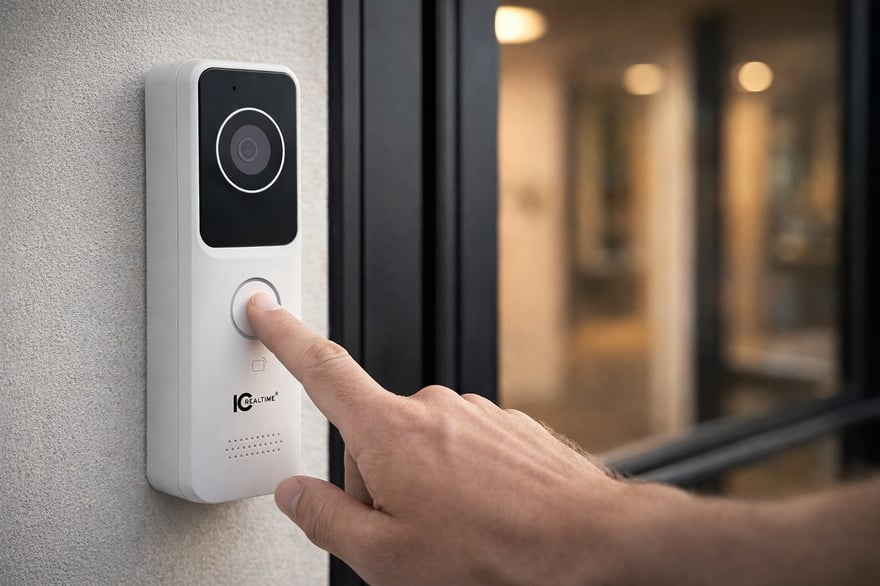
To reduce exposure, facilities frequently pair controlled entry procedures with tools and layouts that slow and verify access at the threshold. Intercom-assisted entry, secured reception zones, and vestibule-style approaches are often used to limit “straight-through” movement and create a moment for verification before deeper access is granted.
Matt Sailor’s commentary underscored that visitor management is often underestimated because it sits between security policy and customer experience. Temporary entrants introduce variability—different needs, unfamiliarity with the building, and inconsistent scheduling—that can create bottlenecks and blind spots if workflows aren’t clearly defined.
Visitor management is also a different problem than credentialing regular occupants. It requires a repeatable “front door” process that preserves visibility and accountability while keeping legitimate access moving, particularly during peak times or multi-tenant activity.
Access planning also extends beyond people flow to asset protection. Higher-risk zones—loading areas, storage rooms, and back-of-house corridors, benefit from access rules that reflect real work patterns, reducing opportunities for unauthorized movement or theft without disrupting operations.
Many facilities also look for tighter alignment between access control and other building security inputs. When access events can be evaluated alongside indicators like motion alerts or environmental signals, teams can build a clearer picture of what’s happening and respond with better context.